









In Focus – SCCCU Blog
Stay informed about the Credit Union’s activities, plus get practical advice on a variety of personal finance topics.
 Business Solutions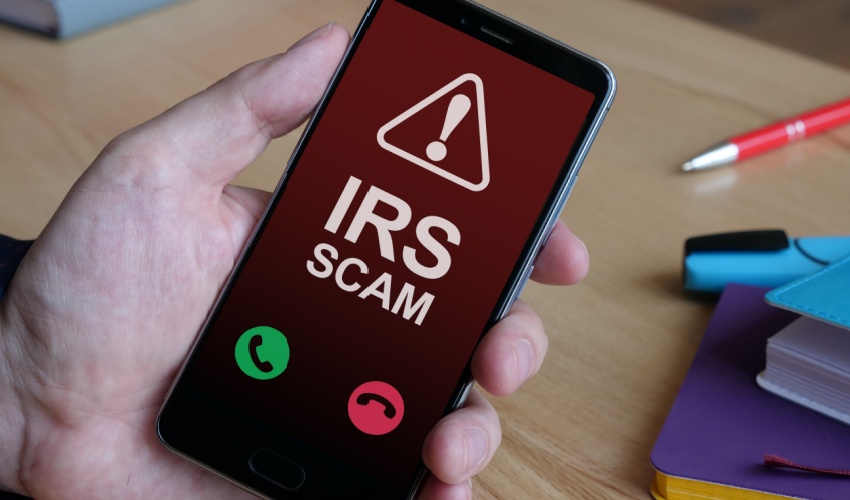
Tax Season Scams are Back: How to Spot Fake IRS Messages
Every year around March, something predictable happens. Millions of people start checking their email, phones, and mailboxes for tax updates. They’re waiting for refunds, verifying documents, or just hoping they filed everything correctly. Unfortunately, scammers know this.
Tax season provides criminals with the perfect opportunity to impersonate the IRS. Messages that look official start appearing through text messages, emails, phone calls, and even social media. They often create a sense of panic or urgency, hoping you’ll react quickly without thinking it through. But the good news is that most IRS scams follow the same patterns. Once you know what to look for, they become much easier to spot.
Why Tax Season is Prime Time for Scammers
Tax information is sensitive and valuable. It includes Social Security numbers, income details, and banking information. That makes it a gold mine for identity thieves. During tax season, people are already thinking about the IRS, so when a message appears that claims to be from the government, it doesn’t always seem suspicious at first. Scammers rely on that moment of uncertainty. They try to push people into quick decisions by using fear, urgency, or the promise of money, for example:
- Your tax refund is pending. Click here to claim it.
- IRS notice: Immediate action required to avoid penalties.
- Your tax filing has been flagged for review.
The goal is always the same. Get you to click a link, provide personal information, or send money.
The Biggest Red Flag: Unexpected Contact
One of the easiest ways to spot a scam is understanding how the IRS actually communicates:
- The IRS does not initiate contact through text messages, social media, or email to request personal or financial information.
- The IRS does not threaten immediate arrest or demand payment over the phone.
- In most situations, the IRS contacts taxpayers by sending a letter through the U.S. Postal Service before any phone call is made. So if you receive a random text, email, or direct message claiming to be the IRA, it should immediately raise suspicion.
That simple fact alone can stop many scams. If you receive a random text, email, or direct message claiming to be the IRS, it should immediately raise suspicion.
Examples of Actual Tax Scams
- Text Message. One of the most common tax scams starts with a text message about a refund. The message may look something like this: “IRS Notification: Your $1,248 tax refund is ready to claim. Confirm your details here.” A link follows that leads to a website that looks very convincing. The page might include IRS logos, official language, and forms asking you to verify your identity. But the moment you enter your Social Security number, bank information, or login credentials, that information goes directly to criminals. The promised refund never existed.
- Panic Phone Calls. Another popular tactic involves phone calls from someone pretending to be an IRS agent. These callers often use aggressive language. They might claim you owe taxes and must pay immediately to avoid serious consequences. Some callers threaten arrest, lawsuits, or even deportation if payment isn’t made right away. Others demand payment through gift cards, wire transfers, or payment apps. That alone is a major warning sign. The IRS does not demand immediate payment over the phone and will never ask you to pay using gift cards or cryptocurrency.
- Fake Emails. Email scams often try to mimic legitimate IRS communication. They may include official looking logos, formal language, and subject lines, such as "IRS Tax Filing Notice," or "Urgent Action Required." Inside the email, you’ll often find a link asking you to “verify your account” or “update your tax records.” Hovering over the link usually reveals the truth. Instead of directing you to a government website, the link leads somewhere completely different. Legitimate IRS websites always end in .gov; therefore, if the link points somewhere else it's not the IRS.
- Tax Preparer Impersonation. Some scammers are now posing as tax preparers or tax software companies instead of the IRS directly. You might receive an email claiming there’s an issue with your return and asking you to confirm information to finish processing your taxes. These scams are especially dangerous because they often arrive during the exact time people are filing their returns.
Simple Ways to Protect Yourself
Tax scams can sound convincing, but a few habits can help you avoid them. Let's take a closer look:
- Pause before reacting to any unexpected tax message. Scammers rely on urgency. Taking a moment to think can prevent a costly mistake.
- Don't click links in unexpected tax messages. If you need to verify something about your taxes, go directly to the official IRS website or contact your tax professional.
- Beware of emotional pressure. Messages that threaten penalties, demand immediate action, or promise surprise refunds are often scams.
- Don't share personal information. Your Social Security number and tax records are extremely valuable to identity thieves.
When Something Feels Off, Trust Your Instincts
Scammers are getting better at making their messages look real, but the tactics behind them haven’t changed much. They rely on urgency, fear, and confusion. But the IRS operates very differently. Real tax notices arrive by mail, give you time to respond, and never demand unusual payment methods.
If a message makes you feel rushed or pressured, that’s a signal to slow down and verify the information before doing anything else. A few seconds of caution can prevent a serious financial headache. During tax season, that simple pause may be the best protection you have.
- CATEGORIES: Financial Education Fraud & Scams



That Urgent Text Message Might Be Fake
 Read more about That Urgent Text Message Might Be Fake
Should You Save Your Tax Refund or Use It to Pay Down Debt?
Read more about Should You Save Your Tax Refund or Use It to Pay Down Debt?
Is It the Right Time to Refinance Your Mortgage Loan?
Read more about Is It the Right Time to Refinance Your Mortgage Loan?