









In Focus – SCCCU Blog
Stay informed about the Credit Union’s activities, plus get practical advice on a variety of personal finance topics.
 Business Solutions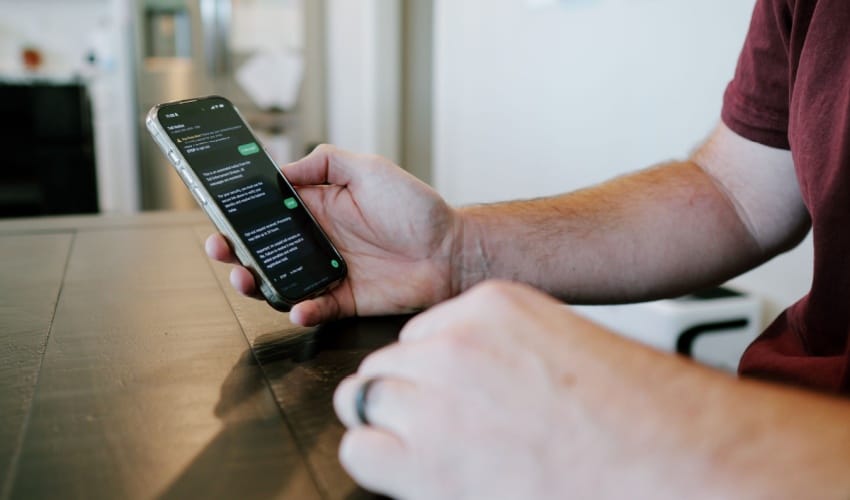
That Urgent Text Message Might Be Fake
It happens fast. Your phone buzzes, and you see a message that looks like it came from your financial institution: “Did you just make a purchase for $486.21? Reply YES or NO.” Or maybe it says: “Your account has been temporarily locked due to suspicious activity. Click here to verify your information.”
Your first instinct is to act quickly. After all, if something is wrong with your account, you want to fix it immediately. That reaction is exactly what scammers are counting on.
Messages like these are among the most common financial scams today. They are called smishing scams, which simply means phishing through text messages. The goal is to trick you into clicking a link, sharing personal information, or sending a security code. The good news is that once you know what to look for, these scams become much easier to spot.
Why These Messages Look So Real
Scammers know that people trust messages that appear to come from their financial institution, so they work hard to make the texts look legitimate. Sometimes they copy the name of a real bank or credit union. Other times, they use language that sounds like an official fraud alert. And in some cases, the message may even appear in the same text thread where you’ve previously received legitimate alerts.
That can happen because criminals use technology that allows them to spoof phone numbers, which means the message can appear to come from a trusted source even when it doesn’t. It’s not unusual for people to say, “But the message looked exactly like the real thing.” And in many cases, it does.
A Real-Life Example
Imagine you receive a message saying there was a large charge on your debit card at an electronics store. The text asks you to click a link to confirm the purchase. When you click it, the page looks like your financial institution’s website. It asks you to log in to review the transaction. But the page is fake.
Once you enter your username and password, the criminals now have access to your account. In some cases, they may immediately attempt to transfer money or change your contact information. All of that can happen in just a few minutes.
The Most Common Warning Signs
There are a few clues that can help you recognize a suspicious message. Let's take a brief look at them:
- Sense of urgency. The message may say your account will be locked or that you must act immediately.
- Link asking you to log in. Most financial institutions will not ask you to log in through a text message link to resolve a problem.
- Generic wording. The message will say "Dear customer," instead of your name.
- Link looks strange or unfamiliar. It might include extra numbers or letters that don’t match the official website.
If something feels even slightly off, it’s worth taking a moment before responding.
What Financial Institutions Actually Do
Financial institutions do send fraud alerts, but they usually follow certain patterns. For example, a real fraud alert may ask you to confirm whether a transaction is legitimate by replying YES or NO. However, legitimate alerts typically do not ask you to provide personal information, passwords, or verification codes through text messages.
If more information is needed, the safest approach is to contact your financial institution directly using the phone number listed on their official website or on the back of your debit or credit card. That way you know you are speaking with the real organization.
A Simple Habit That Can Protect You
One of the easiest ways to stay safe is to pause before responding to unexpected messages. Instead of clicking a link or replying immediately, take a moment to verify the situation. Open your banking app or log in directly through your financial institution’s official website. Check whether there are any alerts or unusual transactions on your account. If you’re unsure, call your financial institution using the number you already trust. That quick double check can stop a scam before it starts.
A Quick Reminder That Makes a Big Difference
Technology is changing quickly, and scammers are constantly looking for new ways to trick people. But the basic strategy behind these scams is still the same: they rely on urgency and fear to get people to act quickly. When a message claims there is a problem with your account, it’s natural to want to fix it right away. Taking a moment to slow down and verify the message can make all the difference. A simple pause can turn what could have been a stressful situation into just another text message you safely ignored.
- CATEGORIES: Financial Education Fraud & Scams



Is It Time to Update Your Homeowners’ Insurance?
 Read more about Is It Time to Update Your Homeowners’ Insurance?
What is Private Mortgage Insurance (PMI) and How Can You Avoid It?
Read more about What is Private Mortgage Insurance (PMI) and How Can You Avoid It?
How Much Renters’ Insurance Do You Need?
Read more about How Much Renters’ Insurance Do You Need?